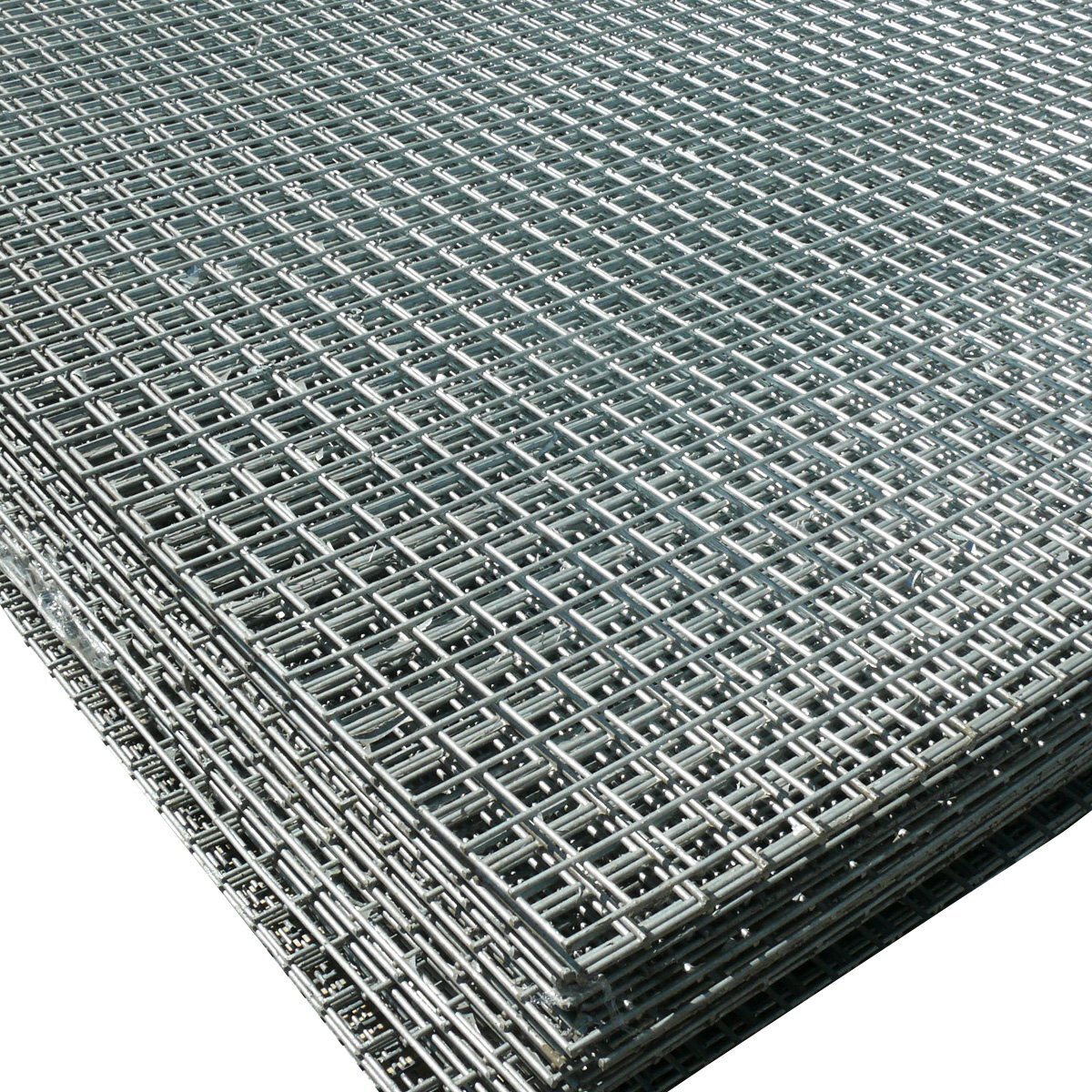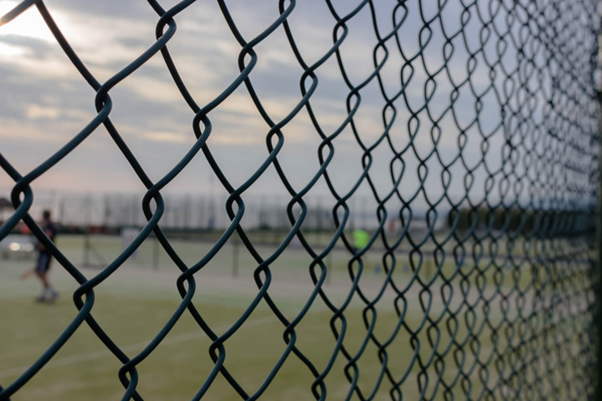
Galvanised chain wire fencing designed for durability, security, and long-term performance in Sydney’s Australian conditions.
Galvanised chain wire fencing, often referred to as cyclone fencing or chain link fencing, stands as one of the most widely adopted and dependable fencing systems in Sydney and throughout New South Wales (NSW). Its widespread use is a testament to its effectiveness in securing a diverse range of properties, including commercial sites, industrial worksites, temporary construction zones, sports facilities, and public spaces like parks and reserves.
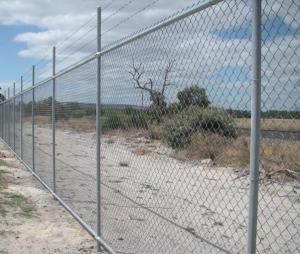
This fencing solution is highly valued for a combination of core attributes:
- Exceptional Strength and Durability: The woven steel mesh provides a robust barrier that is difficult to cut or breach, offering reliable security against unauthorised access.
- High Visibility: The open-weave diamond pattern ensures excellent line of sight, which is crucial for surveillance and safety on work sites or around public areas.
- Superior Corrosion Resistance: The galvanisation process, which involves coating the steel wire with a protective layer of zinc, is specifically designed to combat rust and degradation. This feature is essential for ensuring long-term performance and minimal maintenance in Sydney’s varying coastal and urban outdoor conditions.
- Cost Efficiency: Compared to solid fencing alternatives, chain wire fencing offers a significantly more economical solution for securing large perimeters without compromising on essential security or longevity.
When correctly specified, including the appropriate wire gauge, mesh size, and post type (e.g., steel or concrete), galvanised chain wire fencing is engineered to perform reliably and withstand the harsh, often unpredictable Australian outdoor environment for many years. Its adaptability and proven performance make it a fundamental choice for perimeter security across the region.
What Is Galvanised Chain Wire Fencing?
Galvanised chain wire fencing, often referred to as ‘chain link’ or ‘cyclone’ fencing, represents a highly practical, durable, and cost-effective boundary solution. At its core, this fencing is meticulously constructed from high-quality steel wire that has been interlocked or interwoven to create its signature structure. The key to its exceptional longevity and performance, particularly in harsh environments like those found across Australia, lies in the galvanisation process.
The Galvanisation Advantage
The term “galvanised” refers to the protective coating of zinc that is applied to the steel wire. This coating is achieved by dipping the fabricated steel into a molten bath of zinc (hot-dip galvanisation), or sometimes through an electroplating process. This zinc layer does not simply cover the steel; it forms a metallurgical bond, creating an effective and robust barrier against the primary cause of material failure: corrosion.
The zinc acts as a sacrificial anode, meaning that if the coating is scratched or damaged, the zinc will corrode before the underlying steel, effectively protecting the integrity of the fence for years, thereby ensuring maximum resistance to rust and the corrosive effects of moisture, salt, and other environmental factors.
Structure and Design
The interwoven steel wires are designed to form a distinctive diamond mesh pattern. This open-weave structure is crucial to the fence’s functionality for several reasons:
- Strong Boundary Control: The tensioned, interlinked wires provide immense tensile strength and rigidity, making the fence difficult to breach or cut, establishing a strong physical deterrent and defined property line.
- Visibility and Airflow: Unlike solid barriers (such as timber palings or brick walls), the open mesh design maintains high visibility. This is essential in areas where supervision is required, such as playgrounds, sports fields, and commercial storage yards. Furthermore, the openness allows for natural airflow, which is critical in windy locations as it reduces wind load on the structure, improving stability.
Common Applications
Because of this unique combination of durability, security, and unobtrusive design, galvanised chain wire fencing is a leading choice for a diverse range of applications where robust safety measures and clear sightlines are paramount:
- Commercial and Industrial: Securing construction sites, manufacturing plants, and warehousing facilities.
- Public and Recreational: Enclosing sporting facilities (tennis courts, cricket nets), schoolyards, parks, and dog runs.
- Infrastructure: Defining boundaries along highways, railways, and utility substations.
- Residential and Rural: Creating robust, low-maintenance property lines, pet enclosures, and farm perimeters.
In summary, galvanised chain wire fencing offers a solution that balances essential boundary control with the need for ongoing visibility and airflow, all while providing superior, long-term resistance to the corrosive conditions typical of Australian environments.
Research & Sources
- Encyclopaedia Britannica, 2023, Chain-Link Fence, https://www.britannica.com
- McGraw Hill, 2022, Fencing Systems in Construction, https://www.accessengineeringlibrary.com
Why Galvanised Chain Wire Is Suitable for Sydney & NSW
The environment across Sydney and the wider state of New South Wales presents unique challenges to outdoor materials, particularly fencing. Fencing in this region is subjected to intense conditions, including high levels of UV radiation from the strong Australian sun, consistent rainfall, and fluctuating humidity levels, especially in coastal and riparian areas.
Galvanised chain wire is engineered specifically to withstand these harsh climatic factors. The fundamental process involves coating the steel core of the wire with a protective layer of zinc. This zinc coating acts as a sacrificial anode. In essence, when the wire is exposed to moisture or corrosive elements, the zinc layer corrodes first, protecting the underlying steel from rust and oxidation. This chemical defense mechanism is crucial for extending the service life of the fence, ensuring it remains robust and structurally sound for decades in both the densely populated urban environments of Sydney and the more exposed, regional settings across NSW.
Standard vs. Hot-Dipped Galvanised Options
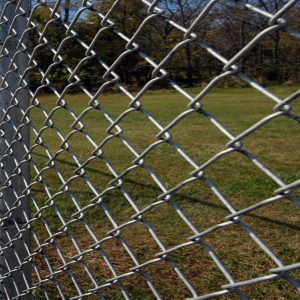
While standard galvanised chain wire offers excellent protection suitable for most residential, recreational, and light commercial applications, more demanding environments often necessitate a higher level of defense.
- Hot-Dipped Galvanised (HDG) Chain Wire: This superior option is created by immersing the fabricated steel mesh into a bath of molten zinc. This process creates a much thicker and more uniform zinc coating compared to electro-galvanisation. The resulting barrier offers significantly enhanced resistance to abrasion, chemical exposure, and severe weather. Due to its superior longevity and reduced maintenance requirements, HDG fencing is frequently specified for critical infrastructure, large-scale industrial properties, and long-term security and perimeter fencing projects where minimizing replacement costs and maximizing security are paramount. This makes it a cost-effective choice over the lifespan of the installation.
Research & Sources
- Australian Steel Institute, 2021, Galvanizing for Long-Term Durability, https://www.steel.org.au
- AZoM, 2022, Zinc Coatings on Steel Wire, https://www.azom.com
Common Applications of Galvanised Chain Wire
Galvanised chain wire fencing is exceptionally versatile, making it one of the most widely specified and used fencing solutions across a diverse range of sectors in Sydney and throughout New South Wales. Its durability, security, and cost-effectiveness contribute to its broad applicability.
Typical and Expanded Applications include:
- Residential Boundary Fencing: A popular choice for securing property perimeters due to its relatively low cost and effectiveness. It is often used for backyards, side boundaries, and separating residential properties from parklands or service easements, providing a clear and secure demarcation line without completely obstructing views.
- Construction Site Fencing and Hoardings: Essential for site safety and security. Galvanised chain wire is deployed to prevent unauthorised access, protect the public from site hazards, and secure valuable equipment and materials. Its suitability for both permanent enclosures (e.g., equipment storage yards) and temporary site perimeters makes it indispensable in the building and development industry.
- Industrial Yards and Warehouses: Provides a robust layer of security for commercial and industrial complexes. It is used to secure outdoor storage areas, define internal zones within large warehouses, and secure the perimeter of manufacturing plants, effectively deterring trespassers and theft.
- Schools and Sporting Facilities: Highly favoured for educational and recreational environments. In schools, it’s used to secure ovals, playgrounds, and facility boundaries. For sporting facilities, it is the standard for tennis court enclosures, baseball backstops, cricket nets, and boundary fencing for sports fields, effectively containing balls and safely separating playing areas from spectators or surrounding infrastructure.
- Infrastructure and Transport Corridors: A critical element in maintaining the integrity and safety of major transport networks. It is extensively used along motorways, train lines, and utility easements (power substations, water treatment plants) to prevent pedestrian or animal ingress, mitigate risk, and secure sensitive public assets.
- Agricultural and Rural Holdings (Outer Sydney/NSW): While primarily known for urban use, the robust nature of galvanised chain wire makes it suitable for farm boundaries, stockyards, and securing small paddocks or kennels in peri-urban areas where a blend of security and visibility is required.
- Council Parks and Reserves: Used by local councils to section off maintenance depots, secure community gardens, and create safe, enclosed dog off-leash areas (DOALAs), balancing public access with necessary security controls.
The inherent adaptability of galvanised chain wire, including its compatibility with various height specifications, security toppings (like barb or razor wire), and different post materials, makes it an ideal and cost-effective solution for establishing both highly permanent and durable fencing systems as well as readily deployable and dismantlable temporary fencing systems across the entire Sydney metropolitan area and beyond.
Key Specifications to Consider
Choosing the correct chain wire fencing specification is not merely a preference; it is a critical decision that directly impacts the fence’s performance, durability, compliance with regulations, and overall security. A well-specified fence ensures longevity and reduces long-term maintenance costs, especially in demanding Australian conditions.
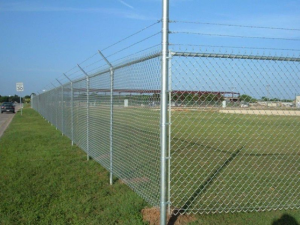
Crucial factors influencing specification include:
1. Wire Diameter
The thickness of the wire strand is a fundamental determinant of the fence’s strength and resilience.
- Common Sizes: The most common diameters are 2.5mm (standard residential, light commercial, and internal partitions) and 3.15mm (heavy-duty applications, high-security zones, industrial boundaries, and areas subject to high impact or strong winds).
- Impact: A thicker wire (e.g., 3.15mm) offers significantly greater resistance to cutting, bending, and deformation, providing superior security and a longer service life.
2. Fence Height Requirements
The intended function of the fence dictates its necessary height.
- Security and Boundary: Heights typically range from 900mm (0.9m) for purely demarcation purposes up to 2400mm (2.4m) or higher for maximum security, correctional facilities, or sports enclosures (e.g., tennis courts).
- Compliance: Local council regulations, particularly those concerning pool fencing or specific land-use zones, often mandate minimum heights.
3. Mesh Size (Diamond Opening)
The dimension of the diamond-shaped opening in the chain wire fabric affects security and visibility.
- Standard Size: A typical size is 50mm x 50mm, which balances visibility, security, and material cost effectively.
- High-Security/Anti-Climb: Smaller mesh sizes (e.g., 40mm x 40mm or less) are used where maximum security is required, as they make it difficult for intruders to gain a foothold or pass objects through the mesh.
- Pest Control: Fences designed to exclude small animals (e.g., rabbits, rodents) often require much smaller mesh sizes.
4. End Finish (Selvage Type)
The way the top and bottom edges of the chain wire fabric are finished impacts safety and security.
- Knuckled (KK): Both ends are neatly bent and intertwined, creating a smooth edge. This finish is preferred for residential, public, and sporting applications where safety and preventing snagging are paramount.
- Twisted (Barb) (KT): One end is knuckled, and the other is twisted into sharp barbs. This finish enhances security by deterring climbing and is typically used on the top edge of high-security or industrial fences. A fully twisted (TT) finish is also available for maximum deterrent.
5. Post Spacing and Framework Strength
The structural integrity of the fence relies heavily on the supporting framework.
- Post Spacing: Closer spacing (e.g., 2.5m to 3.0m) reduces the unsupported span of the wire, significantly reducing the potential for long-term sagging and increasing resistance to external forces.
- Framework: The diameter and gauge of the steel posts and rails (top, bottom, and intermediate) must be robust enough to withstand the tensioning of the chain wire, wind loading, and potential impacts. For heavy-duty applications, larger diameter posts and additional bracing are essential.
The correct determination of these specifications is vital as it directly contributes to:
- Longevity: Minimising metal fatigue and corrosion.
- Security: Creating a barrier that is difficult to breach or climb.
- Aesthetics: Maintaining a taut, professional appearance free from chronic sagging.
- Compliance: Meeting all relevant Australian Standards and local regulatory requirements.
FAQs
1. How long will a galvanized chain link fence last?
A galvanized chain wire fence can last 20–30 years or more when installed correctly and maintained, as the zinc coating protects the steel from rust and corrosion, especially important in Australian weather conditions.
At RWAP, we supply hot-dip galvanized chain wire fencing designed for long-term durability across residential, commercial, and industrial sites in Sydney and NSW.
2. How secure is chain wire fencing?
Chain wire fencing is highly secure when installed with the right height, post spacing, and tensioning, making it a popular choice for factories, warehouses, schools, and boundary fencing.
For higher security needs, RWAP offers galvanized and black chain wire fencing that can be combined with barbed wire, razor wire, or controlled access gates for added protection.
3. How much is chain wire fencing per meter?
The cost of chain wire fencing per meter depends on several factors, including fence height, wire gauge, coating type (galvanized or black), and installation requirements. In Sydney, prices typically vary based on site conditions and quantity, so the best approach is to request a tailored quote.
RWAP provides competitive pricing on stocked chain wire fencing with expert advice to match your project needs.
Is Galvanised Chain Wire Right for Your Project?
Galvanised chain wire fencing is a practical solution for projects requiring durability, visibility, and long-term value. From residential boundaries to large-scale industrial sites, it remains one of the most reliable fencing options in Sydney and across NSW.
RWAP supplies high-quality galvanised chain wire fencing and provides expert advice to ensure the right system is selected for each application.