
Wire Mesh Storage Cage Fabrication
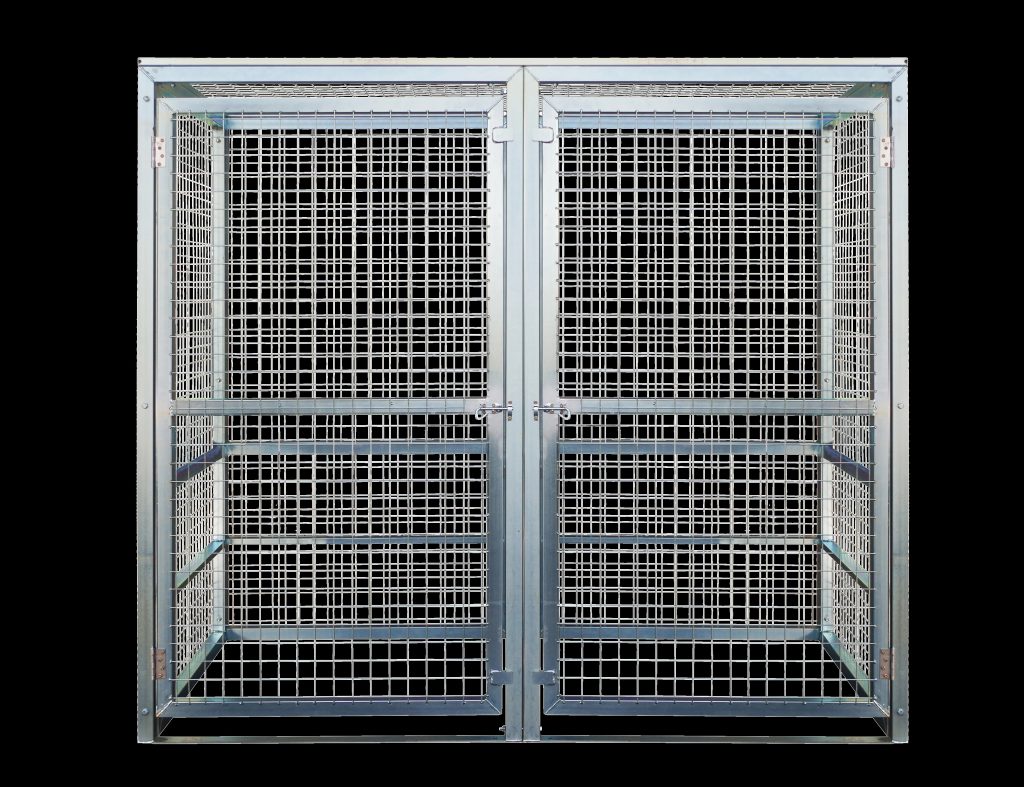
Storage Cage Solutions in Sydney – Durable, Secure & Built for Industry RW Products is a trusted provider of premium storage cage solutions across Sydney, delivering high-quality systems designed for warehouse, logistics, and industrial environments. Whether you require a single wire storage cage or large-scale supply of wire storage cages for a distribution centre, our products are engineered for strength, security, and operational efficiency. Our range includes heavy-duty mesh storage cage systems suitable for material handling, secure storage, and palletised transport. Designed to maximise space while maintaining accessibility, each mesh storage cage is manufactured using precision-welded steel components for long-term durability. Engineered for Strength and Performance Every wire mesh cage and wire mesh cages configuration supplied by RW Products is fabricated to meet industrial demands. From cage pallet systems to reinforced cage pallets for transport applications, we provide reliable storage infrastructure tailored to warehouse operations. Our warehouse cage and warehouse cages solutions are widely used in distribution centres, manufacturing facilities, and commercial storage sites. For higher security requirements, we offer security storage cage and security storage cages options featuring reinforced panels and lockable access doors. Industrial clients rely on our industrial storage cage and industrial storage cages systems for heavy-load applications. Each industrial wire cage is built with structural integrity in mind, making it suitable for demanding warehouse and logistics operations. Secure, Lockable & Flexible Designs Security and access control are critical in storage environments. Our lockable storage cage and lockable storage cages provide secure containment for valuable goods and restricted materials. Businesses searching for lockable storage cage Sydney solutions can rely on RW Products for compliant and durable installations. For flexible warehouse layouts, collapsible storage cage and collapsible storage cages options allow easy storage when not in use. Stackable storage cage and stackable storage cages configurations maximise vertical space efficiency, making them ideal for high-volume operations. Our heavy duty storage cage models are specifically engineered for industrial environments where load-bearing capacity and structural durability are essential. Steel & Mesh Construction for Long-Term Use Each metal storage cage and metal storage cages system is manufactured using premium-grade steel. Our steel storage cage and steel storage cages are corrosion-resistant and built to withstand continuous handling. The steel mesh storage cage design ensures ventilation and visibility while maintaining structural rigidity. This makes them suitable for pallet storage cage applications where airflow and inspection access are important. We also provide mesh pallet cage and pallet storage cage solutions integrated into warehouse handling systems. As trusted Sydney wire storage cage suppliers, we support logistics and warehouse infrastructure projects across NSW. Material Handling & Logistics Efficiency Efficient operations depend on reliable storage and transport systems. Our material handling cage and material handling cages improve workflow by enabling safe movement of goods within facilities. For supply chain operations, logistics cage and logistics cages solutions provide secure containment during internal transfers. Transport cage and transport cages configurations are commonly used for goods distribution, ensuring product protection during movement. Warehouse operators frequently choose warehouse mesh cage and warehouse mesh cages Sydney systems for organised storage layouts that enhance productivity and safety. Trusted Storage Cage Supplier in Sydney RW Products supplies mesh storage cage Sydney solutions tailored to industrial, commercial, and warehouse environments. Businesses seeking industrial storage cage Sydney systems benefit from our durable designs and professional installation services. From lockable storage cage Sydney solutions for secure storage rooms to large-scale warehouse mesh cages Sydney projects, our team delivers compliant, high-performance systems that meet Australian standards. RW Products offers significant advantages Compared with off-the-shelf suppliers such as Bunnings storage cages. First, we provide fully customised storage cage solutions tailored to project dimensions, load requirements, and site conditions rather than standard retail sizes. Second, our cages are manufactured using heavy-duty steel and reinforced welds designed for industrial use, not light commercial applications. Third, we offer local Sydney supply with faster turnaround and direct communication, eliminating third-party delays. Fourth, our team provides professional installation and site integration support, ensuring compliance and operational efficiency. Fifth, we supply bulk project pricing for warehouses and logistics facilities, delivering stronger value on large orders. Finally, RW Products ensures Australian Standards alignment and engineered durability, giving clients long-term performance and reliability beyond typical catalogue-based storage cage products. Why Choose RW Products? Premium wire storage cage and wire storage cages solutions Durable steel mesh storage cage construction Custom warehouse cage and industrial wire cage systems Heavy duty storage cage designs for demanding environments Reliable Sydney wire storage cage suppliers Whether you require a single mesh pallet cage or a complete warehouse mesh cage installation, RW Products delivers strength, security, and operational efficiency across Sydney. Contact our team today to discuss your storage cage requirements and receive a tailored solution built for long-term performance.
Weld Mesh Sheet
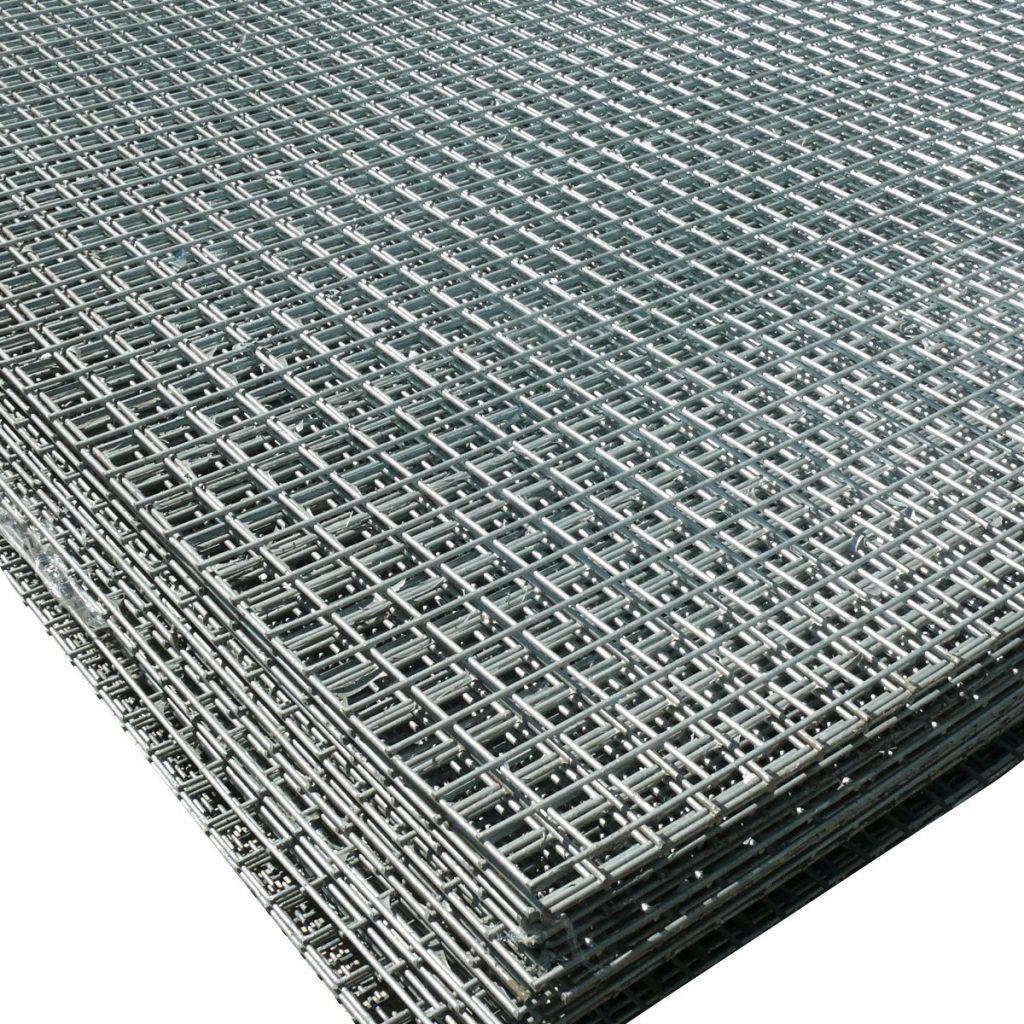
Galvanised Welded Mesh: Durable, Versatile & Engineered for Performance Galvanised welded mesh remains one of the most reliable and widely specified materials across fencing, construction, infrastructure, and industrial applications. Whether used as grid mesh for structural reinforcement or as welded wire fencing for perimeter protection, modern welded mesh products provide strength, durability, and long-term value in Australian conditions. At RWAP, we supply high-quality welded wire mesh solutions designed for residential, commercial, and industrial projects throughout Sydney. What Is Galvanized Welded Mesh? Galvanized welded mesh, also referred to as galvanized welded mesh, is manufactured by welding steel wires at precise intersections to form a rigid welded grid mesh structure. This process creates consistent square wire mesh or rectangular wire mesh configurations, depending on project requirements. After fabrication, the mesh is hot-dip galvanized to improve corrosion resistance, making it ideal for outdoor welded mesh applications exposed to weather and moisture. Available in welded mesh rolls, welded mesh sheets, and welded mesh panels, this adaptable product can be supplied as welded wire panels or incorporated into a complete welded mesh panel system for secure installations. Fencing Applications For perimeter protection, welded mesh fence systems offer both strength and clean architectural appearance. Many commercial and industrial projects across NSW rely on welded mesh fence Sydney installations due to their durability and compliance with Australian standards. Galvanised wire mesh fencing and galvanized wire mesh fencing solutions are commonly selected for infrastructure and warehouse sites, while residential welded mesh and garden welded mesh are widely used for property boundaries and landscaping. Garden wire mesh fencing provides an effective solution for controlled access without obstructing visibility. For higher-security requirements, security welded mesh and security mesh panels deliver enhanced protection. These systems are often constructed using steel welded mesh panels Sydney projects specify for long-term performance. Mesh panel fencing, including welded mesh panels fencing configurations, provides structural integrity with modern aesthetics. Construction & Reinforcement Uses In the construction sector, construction welded mesh and construction wire mesh play a critical role in structural reinforcement. Concrete reinforcing mesh and welded reinforcing mesh are widely used in slabs, footings, and suspended concrete structures to distribute loads evenly and improve tensile strength. Construction mesh panels Sydney builders rely on are manufactured with precise spacing to ensure performance consistency. Steel wire mesh panels are commonly installed prior to concrete pours, providing dependable reinforcement across commercial and industrial developments. The uniform intersections found in weld mesh products create predictable strength performance, making welded grid mesh the preferred solution over woven alternatives in many structural applications. Material Options & Finishes Galvanized welded mesh remains the most common finish due to its corrosion resistance and longevity. However, PVC coated welded mesh and PVC welded mesh alternatives are also available when additional protection or aesthetic considerations are required. PVC coated wire mesh is frequently selected for residential and landscape installations where appearance matters. Metal welded mesh and steel welded mesh variants are engineered for heavy-duty environments. Heavy duty welded mesh is particularly suited to industrial welded mesh and commercial welded mesh applications where strength and durability are non-negotiable. Both square welded wire mesh and rectangular welded wire mesh panels can be specified depending on directional load requirements. Wire weld mesh products are manufactured to maintain dimensional accuracy and structural integrity across all panel sizes. Industrial & Commercial Performance Industrial welded mesh is widely used for machinery guarding, warehouse partitions, and protective enclosures. Commercial welded mesh solutions are equally suited for storage cages, safety barriers, and metal wire mesh fencing installations. Welded fence mesh provides a reliable perimeter barrier for distribution centers, factories, and large-scale facilities. Steel welded mesh panels Sydney projects demand are typically specified for durability under heavy operational conditions. For outdoor welded mesh installations, corrosion resistance is essential. Galvanized welded mesh Sydney environments require materials capable of withstanding coastal exposure and temperature fluctuations. Versatility Across Sectors From garden welded mesh in residential settings to construction wire mesh on major infrastructure sites, welded mesh products adapt to a wide range of industries. Applications include: Welded wire fencing for property security Welded mesh sheets for fabrication projects Welded mesh rolls for flexible installation Wire mesh welded panels for secure enclosures Rectangular wire mesh for structural reinforcement Square wire mesh for balanced load distribution Whether specified as welded wire mesh for fencing or as concrete reinforcing mesh for structural use, the material offers exceptional performance across both light and heavy-duty requirements. Why Choose Professional Sydney Welded Wire Mesh Suppliers? Selecting experienced Sydney welded wire mesh suppliers ensures product compliance, consistent quality, and reliable supply timelines. At RWAP, we provide: Galvanized welded mesh Sydney projects require Welded mesh fence Sydney installations Steel welded mesh panels Sydney construction sites specify Construction mesh panels Sydney builders depend on Our welded panel mesh solutions are designed to integrate seamlessly into fencing welded mesh systems and reinforcement applications alike. The Advantage of a Complete Welded Mesh Panel System A professionally designed welded mesh panel system includes steel posts, secure fixings, and properly aligned welded mesh panels to ensure structural stability. Wire weld mesh components are precision-manufactured to maintain alignment and durability over time. Whether used in security mesh panels, mesh panel fencing, or heavy duty welded mesh installations, system integration ensures safety, compliance, and long-term performance. Conclusion Galvanised welded mesh continues to be one of the most versatile and dependable materials available in the Australian construction and fencing industries. From grid mesh reinforcement to welded mesh fence Sydney installations, the product delivers structural strength, corrosion resistance, and adaptability across residential, commercial, and industrial applications. When quality, durability, and compliance matter, working with established Sydney welded wire mesh suppliers ensures your project benefits from premium steel welded mesh panels, construction mesh panels Sydney builders trust, and professionally engineered welded wire panels designed to perform. Explore RW Products – Complete Steel & Fencing Solutions Beyond welded mesh solutions, RW Products supplies and installs a comprehensive range of reinforcement, fencing, and fabrication products across Sydney and NSW. Barbed Wire Our high-quality barbed wire solutions are
Black Chain Wire Fencing in Sydney: Modern Security with Long-Term Performance
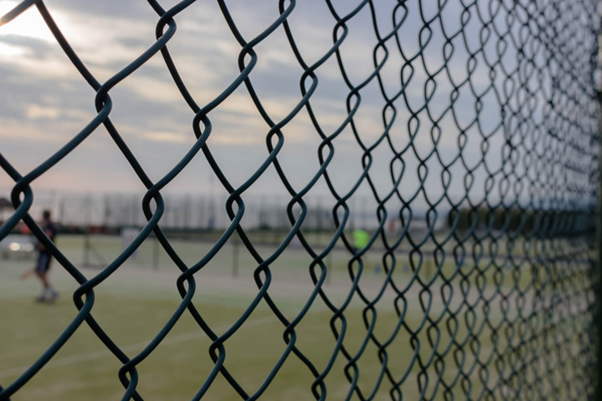
Black chain wire fencing represents a significant advancement over its traditional galvanised counterpart, offering the same foundational strength and essential functionality while presenting a markedly cleaner and more modern aesthetic. This sophisticated material choice is seeing a rapid increase in deployment across Sydney and the broader region of New South Wales (NSW), particularly in applications where the need for robust security and long-term durability must be seamlessly integrated with enhanced visual appeal. The key to its superior performance lies in the PVC-coated finish. This coating serves multiple critical functions: Enhanced Corrosion Resistance: The PVC layer acts as a powerful barrier against the harsh coastal and urban elements common in Sydney, dramatically improving the fence’s resistance to rust, oxidation, and general corrosion. This significantly extends the product’s service life, reducing maintenance and replacement costs over time. Reduced Visual Impact: The black color absorbs light, making the fence far less obtrusive than the silver-metallic finish of standard galvanized chain wire. This “less visible” quality is highly valued in residential settings, recreational areas, and commercial properties where the boundary needs to be secure without dominating the landscape or architectural design. Modern Appeal: The sleek black finish provides a contemporary look that complements modern architecture and landscaping trends, moving chain wire fencing beyond its purely utilitarian roots into a more deliberate design choice. Ultimately, black chain wire fencing provides a comprehensive solution for projects in Sydney that demand high-level perimeter security and superior durability without compromising on the modern, clean visual presentation of the property. What Is Black Chain Wire Fencing? Black chain wire fencing represents a significant advancement over traditional, plain galvanised steel fences, offering a blend of robust security and superior aesthetic integration. At its core, this fencing is constructed from high-quality, galvanised steel wire. This initial galvanisation process involves coating the steel with a layer of zinc, which provides essential protection against rust and corrosion, ensuring long-term structural integrity. The key feature that sets this product apart is the subsequent application of a durable, thick black PVC (Polyvinyl Chloride) coating. This coating is not merely decorative; it serves several critical functions: Enhanced Durability: The PVC layer acts as a secondary shield, significantly increasing the fence’s resistance to environmental factors such as UV radiation, extreme temperatures, and moisture penetration, thereby extending its lifespan considerably. Aesthetic Appeal: The matte black finish offers a contemporary, sophisticated look. Unlike the bright, reflective sheen of bare galvanised wire, the black coating is low-glare and visually recedes into the background. This subtlety allows the fence to blend seamlessly with surrounding natural landscapes, gardens, and modern architectural designs without becoming an imposing visual barrier. Versatility and Application: Due to its combination of high security, low maintenance, and attractive appearance, black chain wire fencing is exceptionally versatile. It is widely specified and utilised across a range of environments where both security and presentation are important considerations. This includes securing residential properties, defining boundaries in educational institutions like schools and universities, and enclosing perimeters in various commercial and industrial settings, such as parks, sports fields, and public facilities. In essence, black chain wire fencing provides a modern, durable, and visually appealing security solution that meets the functional demands of perimeter control while respecting the aesthetic value of the built environment. Research & Sources Wikipedia, 2023, Chain-Link Fence, https://en.wikipedia.org/wiki/Chain-link_fence AZoM, 2022, PVC Coated Steel Wire, https://www.azom.com Why Choose Black Chain Wire in Sydney? Black chain wire is an exceptional choice, particularly well-suited to the unique residential and urban environments found throughout Sydney. Its popularity stems from a powerful combination of robust security features and sophisticated aesthetic appeal, which allows it to integrate seamlessly into diverse property styles. Enhanced Durability and Weather Resistance A key advantage of this fencing solution is the durable PVC (Polyvinyl Chloride) coating that encases the core steel wire. This coating provides a superior, extra layer of protection, which is vital in Sydney’s coastal and dynamic climate: Moisture and Salt Protection: The PVC acts as a formidable barrier against moisture, significantly reducing the risk of rust and corrosion that is common with standard galvanized wire, especially in areas closer to the coast. This ensures a much longer service life and reduces maintenance requirements. UV Exposure Shielding: Sydney receives intense sunlight. The PVC coating is formulated to resist breakdown from harsh ultraviolet (UV) radiation, preventing the material from becoming brittle, cracking, or fading prematurely, thereby retaining its structural integrity and colour for years. Aesthetic Integration and Visual Benefits Beyond its protective qualities, the distinctive black finish offers significant visual and architectural benefits: Reduced Glare and Visual Dominance: Unlike traditional silver or galvanised chain wire, the darker finish naturally absorbs more light, effectively reducing glare, especially on bright, sunny days. This creates a visually quieter boundary that doesn’t dominate the landscape or clash with the architectural features of the property. Modern and Non-Industrial Appearance: The sleek black color elevates the look of the security fence. It moves the product away from the typical ‘industrial’ or ‘temporary’ association of standard chain wire, allowing it to provide secure fencing while maintaining a modern, clean, and sophisticated aesthetic. This makes it ideal for residential homes, park boundaries, school perimeters, and commercial properties that require high security without sacrificing curb appeal. In essence, choosing black chain wire means investing in a fencing solution that delivers powerful security and enduring performance while ensuring an attractive, integrated look that complements, rather than detracts from, the property’s overall design. Common Uses of Black Chain Wire Fencing Black chain wire fencing has established itself as an indispensable, versatile, and aesthetically pleasing security and boundary solution across Sydney and wider New South Wales. Its unique blend of robust security, clear visibility, and unobtrusive appearance makes it a preferred choice for a broad spectrum of applications, balancing the need for defined perimeters with an open, accessible feel. The primary and most frequent uses for this type of fencing include: Residential Properties and Boundaries Side and Rear Fences: It is highly popular for defining boundaries between neighbouring residential properties, particularly
Galvanised Chain Wire Fencing in Sydney: Durable, Secure, and Built for Australian Conditions
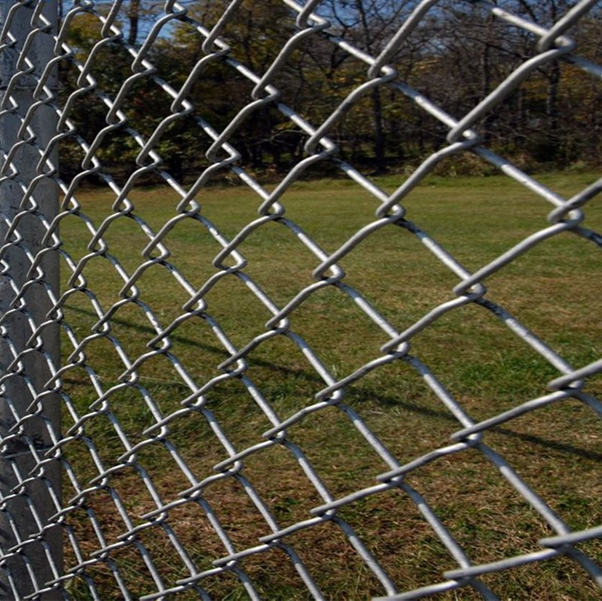
Galvanised chain wire fencing designed for durability, security, and long-term performance in Sydney’s Australian conditions. Galvanised chain wire fencing, often referred to as cyclone fencing or chain link fencing, stands as one of the most widely adopted and dependable fencing systems in Sydney and throughout New South Wales (NSW). Its widespread use is a testament to its effectiveness in securing a diverse range of properties, including commercial sites, industrial worksites, temporary construction zones, sports facilities, and public spaces like parks and reserves. This fencing solution is highly valued for a combination of core attributes: Exceptional Strength and Durability: The woven steel mesh provides a robust barrier that is difficult to cut or breach, offering reliable security against unauthorised access. High Visibility: The open-weave diamond pattern ensures excellent line of sight, which is crucial for surveillance and safety on work sites or around public areas. Superior Corrosion Resistance: The galvanisation process, which involves coating the steel wire with a protective layer of zinc, is specifically designed to combat rust and degradation. This feature is essential for ensuring long-term performance and minimal maintenance in Sydney’s varying coastal and urban outdoor conditions. Cost Efficiency: Compared to solid fencing alternatives, chain wire fencing offers a significantly more economical solution for securing large perimeters without compromising on essential security or longevity. When correctly specified, including the appropriate wire gauge, mesh size, and post type (e.g., steel or concrete), galvanised chain wire fencing is engineered to perform reliably and withstand the harsh, often unpredictable Australian outdoor environment for many years. Its adaptability and proven performance make it a fundamental choice for perimeter security across the region. What Is Galvanised Chain Wire Fencing? Galvanised chain wire fencing, often referred to as ‘chain link’ or ‘cyclone’ fencing, represents a highly practical, durable, and cost-effective boundary solution. At its core, this fencing is meticulously constructed from high-quality steel wire that has been interlocked or interwoven to create its signature structure. The key to its exceptional longevity and performance, particularly in harsh environments like those found across Australia, lies in the galvanisation process. The Galvanisation Advantage The term “galvanised” refers to the protective coating of zinc that is applied to the steel wire. This coating is achieved by dipping the fabricated steel into a molten bath of zinc (hot-dip galvanisation), or sometimes through an electroplating process. This zinc layer does not simply cover the steel; it forms a metallurgical bond, creating an effective and robust barrier against the primary cause of material failure: corrosion. The zinc acts as a sacrificial anode, meaning that if the coating is scratched or damaged, the zinc will corrode before the underlying steel, effectively protecting the integrity of the fence for years, thereby ensuring maximum resistance to rust and the corrosive effects of moisture, salt, and other environmental factors. Structure and Design The interwoven steel wires are designed to form a distinctive diamond mesh pattern. This open-weave structure is crucial to the fence’s functionality for several reasons: Strong Boundary Control: The tensioned, interlinked wires provide immense tensile strength and rigidity, making the fence difficult to breach or cut, establishing a strong physical deterrent and defined property line. Visibility and Airflow: Unlike solid barriers (such as timber palings or brick walls), the open mesh design maintains high visibility. This is essential in areas where supervision is required, such as playgrounds, sports fields, and commercial storage yards. Furthermore, the openness allows for natural airflow, which is critical in windy locations as it reduces wind load on the structure, improving stability. Common Applications Because of this unique combination of durability, security, and unobtrusive design, galvanised chain wire fencing is a leading choice for a diverse range of applications where robust safety measures and clear sightlines are paramount: Commercial and Industrial: Securing construction sites, manufacturing plants, and warehousing facilities. Public and Recreational: Enclosing sporting facilities (tennis courts, cricket nets), schoolyards, parks, and dog runs. Infrastructure: Defining boundaries along highways, railways, and utility substations. Residential and Rural: Creating robust, low-maintenance property lines, pet enclosures, and farm perimeters. In summary, galvanised chain wire fencing offers a solution that balances essential boundary control with the need for ongoing visibility and airflow, all while providing superior, long-term resistance to the corrosive conditions typical of Australian environments. Research & Sources Encyclopaedia Britannica, 2023, Chain-Link Fence, https://www.britannica.com McGraw Hill, 2022, Fencing Systems in Construction, https://www.accessengineeringlibrary.com Why Galvanised Chain Wire Is Suitable for Sydney & NSW The environment across Sydney and the wider state of New South Wales presents unique challenges to outdoor materials, particularly fencing. Fencing in this region is subjected to intense conditions, including high levels of UV radiation from the strong Australian sun, consistent rainfall, and fluctuating humidity levels, especially in coastal and riparian areas. Galvanised chain wire is engineered specifically to withstand these harsh climatic factors. The fundamental process involves coating the steel core of the wire with a protective layer of zinc. This zinc coating acts as a sacrificial anode. In essence, when the wire is exposed to moisture or corrosive elements, the zinc layer corrodes first, protecting the underlying steel from rust and oxidation. This chemical defense mechanism is crucial for extending the service life of the fence, ensuring it remains robust and structurally sound for decades in both the densely populated urban environments of Sydney and the more exposed, regional settings across NSW. Standard vs. Hot-Dipped Galvanised Options While standard galvanised chain wire offers excellent protection suitable for most residential, recreational, and light commercial applications, more demanding environments often necessitate a higher level of defense. Hot-Dipped Galvanised (HDG) Chain Wire: This superior option is created by immersing the fabricated steel mesh into a bath of molten zinc. This process creates a much thicker and more uniform zinc coating compared to electro-galvanisation. The resulting barrier offers significantly enhanced resistance to abrasion, chemical exposure, and severe weather. Due to its superior longevity and reduced maintenance requirements, HDG fencing is frequently specified for critical infrastructure, large-scale industrial properties, and long-term security and perimeter fencing projects where minimizing replacement costs and maximizing
Heavy Duty Galvanised Barbed wire Fence
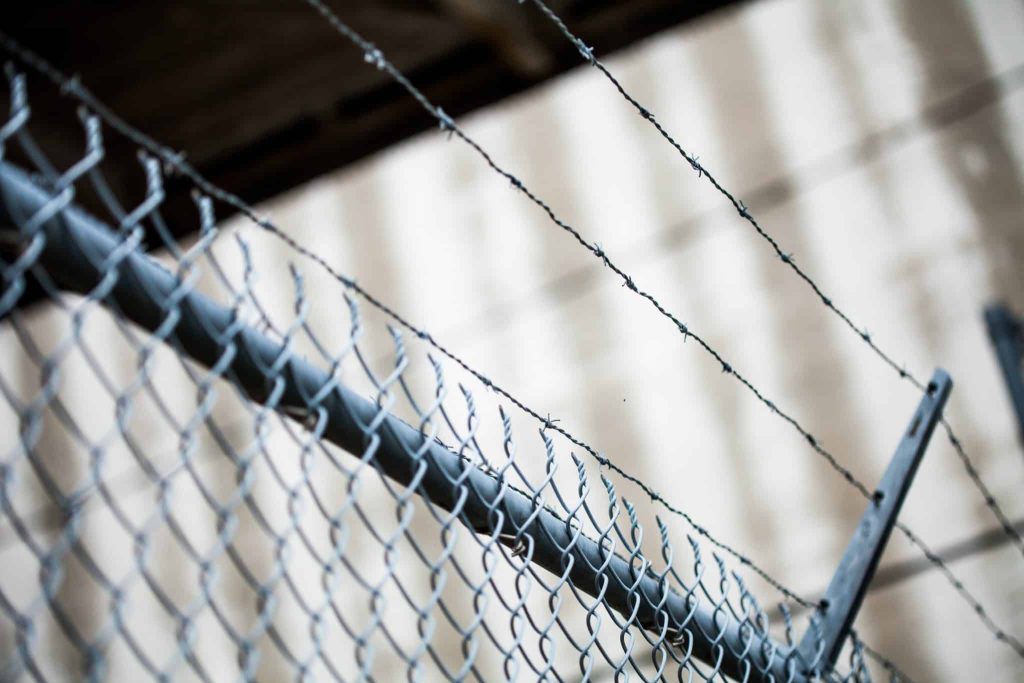
Heavy Duty Barbed wire fencing is one of the most cost-effective and reliable ways to secure land, control livestock, and protect perimeters in Sydney and across NSW (New South Wales). Its enduring popularity stems from its ability to deliver strong, visible deterrence, an exceptional service life with minimal maintenance, and fast installation over vast or uneven terrain, making it the workhorse of rural and semi-rural security. When correctly specified, taking into account factors like wire gauge, galvanisation level, and the specific application (e.g., cattle, sheep, or boundary security), barbed wire performs exceptionally well, providing a robust barrier perfectly suited to the diverse and often harsh Australian conditions.
Barbed Wire Fencing in Sydney: Strength, Security, and Smart Buying for NSW Conditions
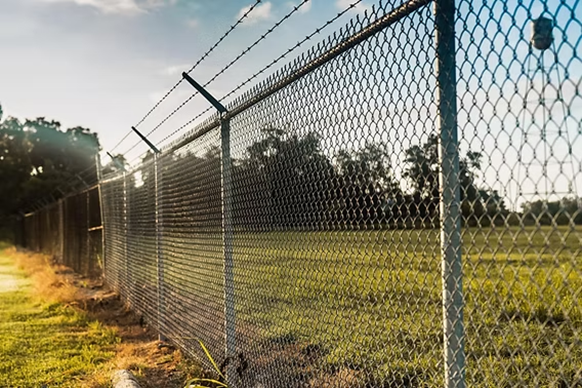
Barbed wire fencing is one of the most cost-effective and reliable ways to secure land, control livestock, and protect perimeters in Sydney and across NSW (New South Wales). Its enduring popularity stems from its ability to deliver strong, visible deterrence, an exceptional service life with minimal maintenance, and fast installation over vast or uneven terrain, making it the workhorse of rural and semi-rural security. When correctly specified, taking into account factors like wire gauge, galvanisation level, and the specific application (e.g., cattle, sheep, or boundary security), barbed wire performs exceptionally well, providing a robust barrier perfectly suited to the diverse and often harsh Australian conditions. The dual benefits of affordability and high security make it indispensable for agricultural properties, large-scale industrial sites, and government reserves throughout New South Wales. Its design, incorporating sharp barbs placed at intervals along the wire strands, is a psychological and physical deterrent, effectively discouraging unauthorised access by humans and preventing livestock from pushing through or leaning on the barrier. Choosing the right materials and installation techniques is crucial to maximising its strength and longevity, ensuring that the initial investment delivers decades of reliable perimeter security. What Is Barbed Wire Fencing? Barbed wire fencing, often simply referred to as ‘barb wire’ or ‘barb,’ is a time-tested and widely deployed perimeter security solution. At its core, this fencing material is manufactured from twisted strands of high-tensile or mild steel wire, typically two wires interwoven for strength, with sharp, pointed barbs meticulously placed at uniform, regular intervals along the length. The primary function of this design is to create a robust physical and psychological barrier. The presence of the sharp barbs actively deters both human and animal trespassers by making it difficult and uncomfortable, if not outright painful, to climb over or push through the fence line. This inherent characteristic makes it highly effective for preventing unauthorised access and maintaining clear boundary control. Enduring Popularity in the Australian Landscape Barbed wire remains a cornerstone of Australian fencing, particularly across New South Wales (NSW), for compelling practical and economic reasons: Effective Boundary Control: Despite its simple design, it delivers exceptionally effective definition and control for property lines, particularly across vast, remote tracts of land common in rural and regional Australia. Cost-Efficiency: It provides a superior level of security and boundary definition without the significant material and installation costs associated with heavier, more complex fencing systems like solid panels, chain link, or advanced security mesh. This makes it the go-to choice for large-scale fencing projects where kilometers of boundary must be secured affordably. Versatility in Application: Barbed wire excels in environments where maintaining high visibility and airflow is critical. Unlike solid barriers, it does not obstruct views or restrict natural ventilation, making it ideal for: Rural and Agricultural Settings: Securing livestock, defining paddocks, and protecting crops. Industrial and Commercial Sites: Establishing secure perimeters around storage yards, construction sites, and remote infrastructure. Construction Environments: Temporarily or permanently marking exclusion zones. Key Advantages of Barbed Wire Fencing The continued widespread use of barbed wire can be attributed to several significant benefits: Feature Description Strong Deterrent It offers a powerful dual deterrent, a strong physical barrier, and a significant psychological warning against intrusion, forcing potential trespassers to reconsider entry. Lower Overall Cost Compared to alternative security fencing (e.g., welded mesh panels or fully integrated electric fencing systems), the materials and installation labor for barbed wire are substantially lower, achieving excellent security return on investment. Minimal Maintenance (Especially Galvanised) When protected with a quality galvanisation (a zinc coating), the steel wire is highly resistant to the harsh Australian weather conditions, including rust and corrosion. This significantly extends the fence’s lifespan and drastically reduces long-term maintenance requirements. Scalability for Large Projects Barbed wire’s roll-form packaging and relatively light weight make it perfectly suited for defining long runs and large perimeters quickly and efficiently, facilitating successful large-scale fencing projects across vast NSW properties. Research & Sources McCallum, 2022, Barbed Wire, Wikipedia, https://en.wikipedia.org/wiki/Barbed_wire Encyclopaedia Britannica, 2023, Barbed Wire, https://www.britannica.com/technology/barbed-wire Is Barbed Wire Suitable for Sydney & NSW Conditions? Yes. Barbed wire fencing is well-suited to Sydney and NSW when hot-dipped galvanised steel is used. Australian environments expose fencing to UV radiation, rainfall, humidity, and in some areas, coastal air, all of which accelerate corrosion if inferior materials are selected. Hot-dipped galvanised barbed wire provides a protective zinc coating that significantly extends service life, making it suitable for both inland and metropolitan NSW sites. Research & Sources Australian Steel Institute, 2021, Galvanizing Steel for Corrosion Protection, https://www.steel.org.au AZoM, 2022, Hot-Dip Galvanizing of Steel, https://www.azom.com Understanding Barbed Wire Specifications Selecting the appropriate barbed wire specification is a critical decision that profoundly impacts the safety, long-term durability, and overall cost-effectiveness of any fencing project in Australia. Understanding the nuances of wire diameter, tensile strength, and roll size is fundamental to smart material purchasing and installation. Wire Diameter: Matching Gauge to Application The diameter (or gauge) of the barbed wire dictates its physical strength, rigidity, and the types of livestock or security challenges it is best suited to manage. Australian conditions often necessitate a choice between the following common specifications: Diameter Classification Primary Applications Installation & Handling 1.6mm Medium Duty Ideal for internal paddocks, boundary fencing for sheep, goats, and general-purpose rural boundaries. Offers greater flexibility, making it easier to handle, tension, and splice. Its lighter weight is advantageous for large, remote installations. 1.8mm Heavy Duty The standard choice for robust external boundaries, high-pressure areas, cattle containment, and critical security applications. Provides substantially higher breaking strength and resistance to stretching or deformation, crucial for maintaining effective tension over time. While a thicker wire (like 1.8mm) offers superior strength, the 1.6mm option remains popular for less demanding roles where ease of installation and a moderate cost saving are priorities. Standard Supply Format for Efficiency Across the industry, most barbed wire is conventionally supplied in 500-meter rolls. This standardized length is optimized for logistical efficiency and rapid deployment across the vast distances typical of Australian rural properties. Using 500m rolls significantly reduces