Find quick answers to common questions about welded mesh products and ordering.
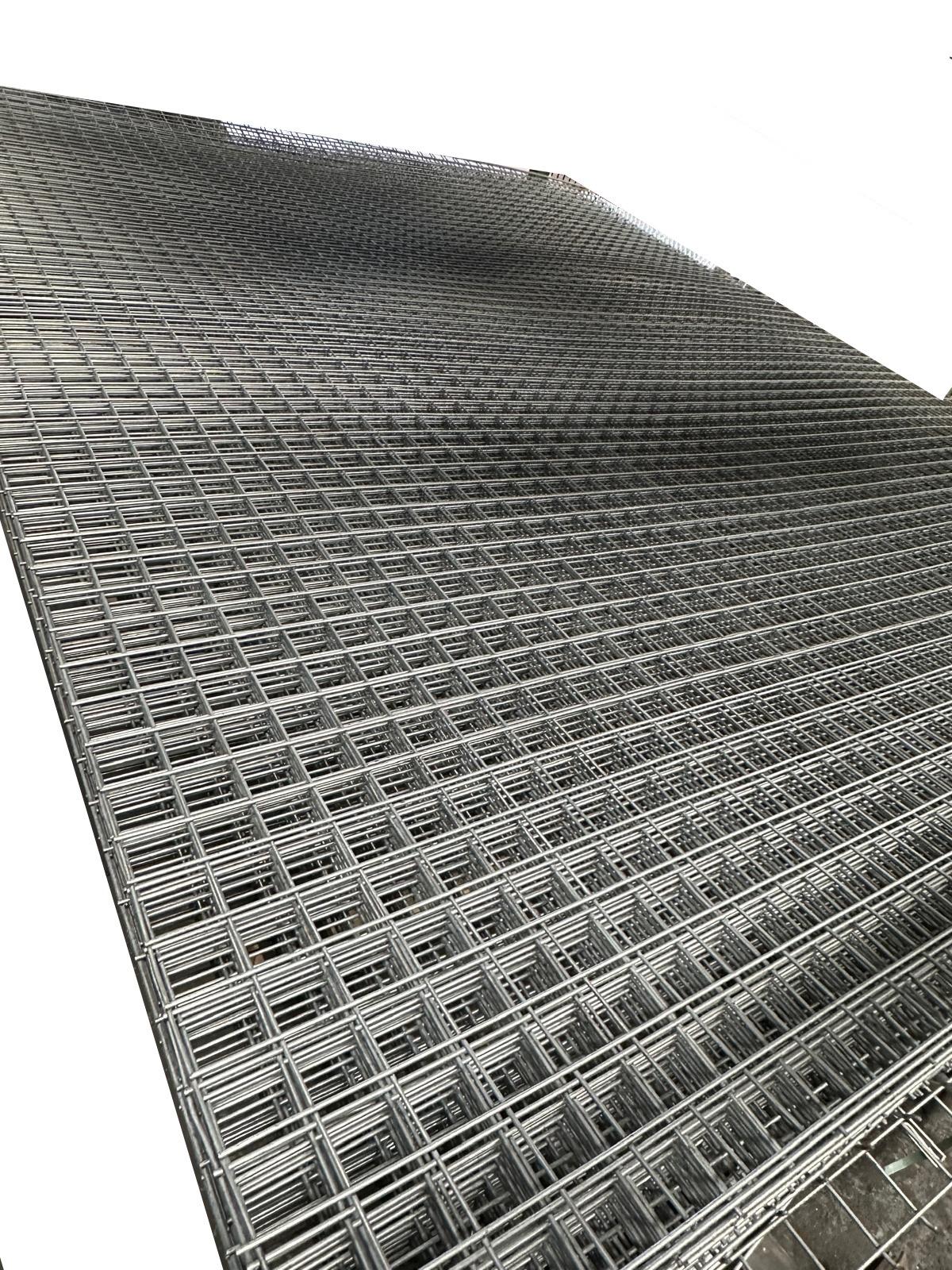
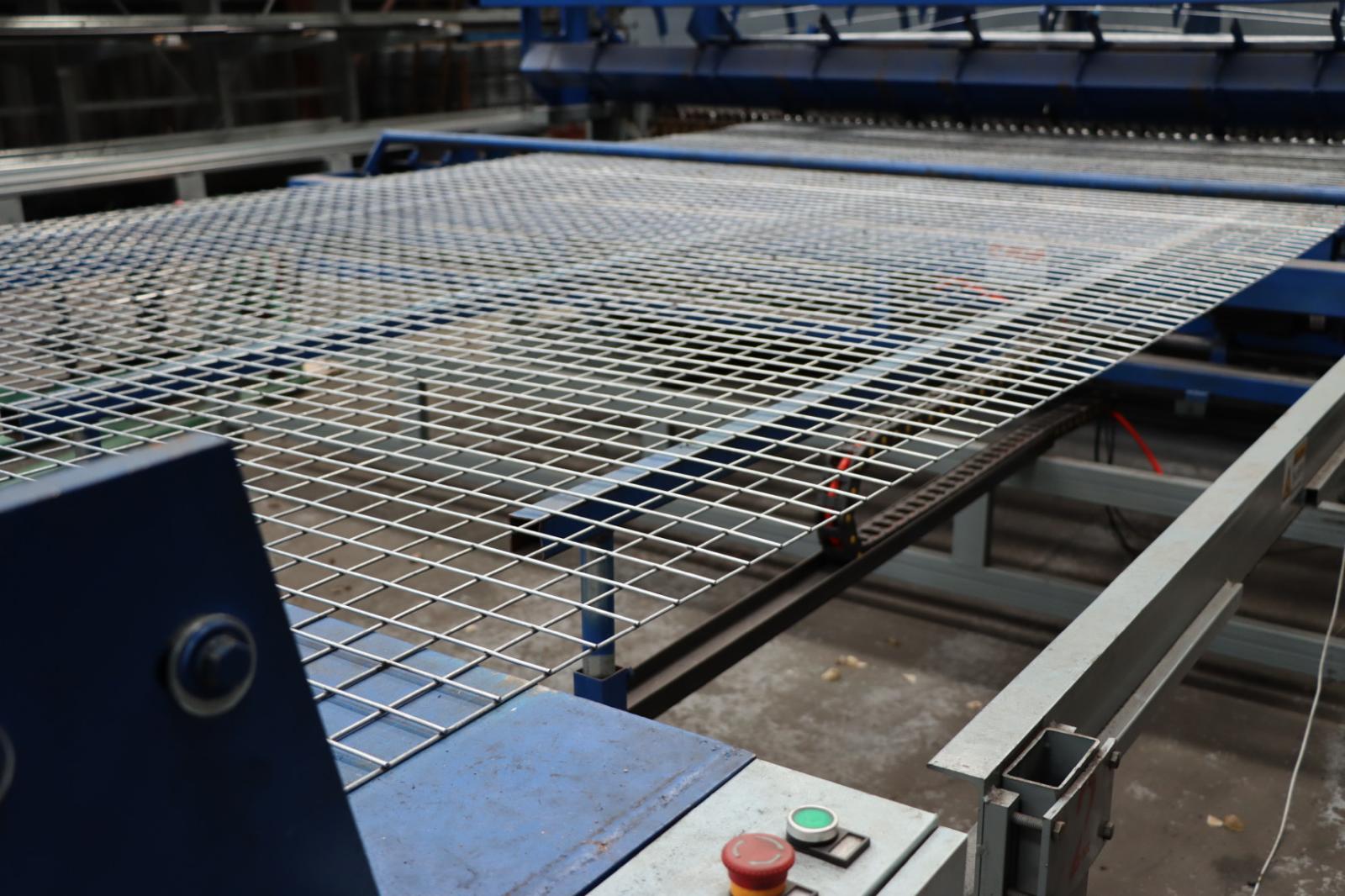
What is welded mesh used for in construction? |
| Welded mesh is commonly used to reinforce concrete in slabs, footings, pavements and structural elements. It helps spread loads and reduce cracking. |
Is welded mesh the same as reo mesh? |
| In Australia, reo mesh is a common name for welded reinforcing mesh. Both refer to steel wire welded into a grid pattern for concrete reinforcement. |
What is the difference between welded mesh and reinforcing mesh? |
| They often describe the same product. “Reinforcing mesh” is a general term, while “welded mesh” describes how the wire intersections are welded to form a rigid grid. |
Which mesh is best for concrete slabs? |
| The best option depends on slab thickness, loading and design requirements. Common choices include SL and RL mesh grades used across residential and commercial concrete work. |
Is welded wire mesh stronger than loose wire mesh? |
| Yes. Because each intersection is welded, welded wire mesh is more rigid and consistent, helping it distribute loads more evenly through the concrete. |
Can welded mesh be used for fencing and security? |
| Yes. Welded mesh panels are widely used for fencing, enclosures and security applications. The right gauge and finish depend on exposure and required strength. |
What sizes do mesh sheets come in? |
| Mesh sheets come in a range of standard sheet sizes, wire diameters and grid spacings. Options vary depending on whether the mesh is for slabs, walls, precast or fencing. |
Is galvanised mesh suitable for outdoor use? |
| Yes. Galvanising adds a zinc coating that improves corrosion resistance, making it suitable for outdoor and exposed environments. |
How do I choose the right steel mesh for my project? |
| Consider the application, load requirements, concrete thickness and the engineer’s design. A supplier can help match the correct mesh grade, spacing and finish. |
Does reinforcing mesh meet Australian Standards? |
| Quality reinforcing mesh supplied in Australia is manufactured to relevant AS/NZS requirements for reinforcing steel. Always confirm compliance for your project. |
What is the difference between welded mesh and chain wire fencing? |
| Welded mesh is rigid because intersections are welded into a fixed grid. Chain wire fencing is woven and more flexible, which suits different fencing and boundary applications. |
Where can I buy welded mesh in Sydney? |
| You can purchase welded mesh from specialist steel and wire suppliers servicing Sydney and NSW. Choose a supplier that can confirm specifications, finishes and compliance for your application. |
Please feel free to contact our friendly supprt team for more questions and enquiries.
1300 35 56 66
02 8964 2036
Find clear answers to common questions about RWAP products, specifications, custom fabrication, compliance, and ordering across Sydney.
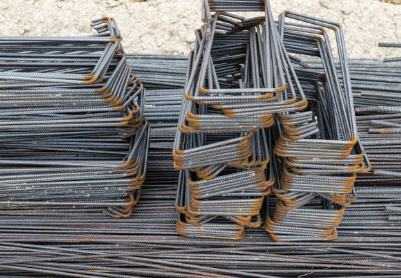
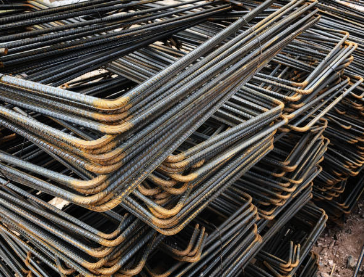

What are reinforcing fitments used for? |
| Reinforcing fitments are used to tie and support reinforcing steel in concrete so it stays in the correct position during pouring. These concrete reinforcement fitments help maintain cover, spacing and shape in beams, slabs, columns and footings. |
Are stirrups the same as reo bar fitments? |
| Yes—stirrups are a common type of reo bar fitments used mainly in beams and columns. They help hold longitudinal bars in place and improve structural performance by controlling shear forces and maintaining the reinforcement shape. |
What are ligatures (ligs) in reinforcing steel work? |
| Ligatures—often called ligs or reo ligs—are shaped ties used to connect and restrain reinforcing bars. Steel ligatures are commonly used to keep bars aligned, maintain spacing and support cage integrity during transport and installation. |
What is the difference between ligatures and stirrups? |
| Both are reinforcement steel fitments, but they are used in different ways. Stirrups are typically repeated closed or U-shaped ties used in beams and columns, while ligatures (reo ligs) may refer to a wider range of shaped ties used to assemble and secure reinforcement cages. |
Do reinforcing steel fitments come prefabricated? |
| Yes. Many projects use prefabricated reinforcing fitments to save time on site and reduce errors. Prefabricated options can include stirrups, ligatures and other rebar fitments made to specified dimensions and schedules. |
How do I choose the right reinforcing steel accessories for my project? |
| Start with the engineer’s drawings and bar schedule, then confirm the required sizes, shapes and spacing. A supplier can help match the correct reinforcing fitments—such as stirrups and steel ligatures—to your bar diameter, cage type and installation method. |
What sizes and shapes are available for reo bar fitments? |
| Reo bar fitments are available in a wide range of sizes and shapes, including closed ties, U-bars and custom bends. Reinforcement steel fitments can be produced to suit different bar diameters, cover requirements and cage designs. |
Are these fitments suitable for slabs, beams and columns? |
| Yes. Concrete reinforcement fitments are used across slabs, beams, columns, footings and retaining structures. Stirrups are typically used for beams/columns, while ligatures and other reinforcing steel accessories support cage assembly and bar positioning in many structural elements. |
Do rebar fitments help reduce site labour? |
| They can. Using prefabricated reinforcing fitments and consistent reo ligs reduces on-site bending and rework, speeds up cage assembly, and helps crews install reinforcement to the correct dimensions more efficiently. |
Can you supply custom steel ligatures and stirrups to drawings? |
| Yes. Many suppliers can produce custom reinforcing fitments—including steel ligatures, ligs and stirrups—based on your bar schedule or shop drawings, ensuring the shapes and dimensions match your project requirements. |
What’s the best way to order reinforcement steel fitments? |
| Provide your drawings or bar schedule, specify bar diameters and quantities, and confirm whether you need loose fitments or pre-tied sets. Ordering the right reinforcement steel fitments early helps avoid delays and keeps fabrication aligned with your pour sequence. |
Where can I buy reinforcing fitments such as stirrups and ligatures? |
| You can source reinforcing fitments from specialist reinforcing steel suppliers who provide reo bar fitments, ligatures (reo ligs) and other reinforcing steel accessories for residential, commercial and civil construction projects. |
Please feel free to contact our friendly supprt team for more questions and enquiries.
1300 35 56 66
02 8964 2036
Find quick answers to common questions about our chain wire fencing products, sizing, and ordering process.
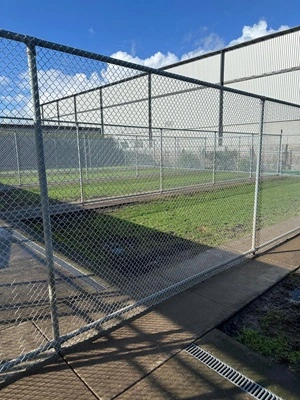
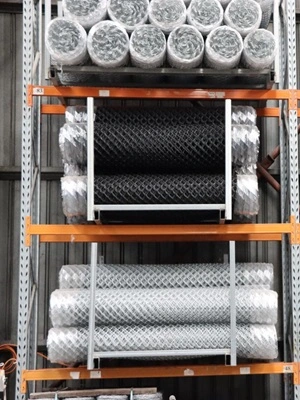
What is a chain wire fence used for? |
| A chain wire fence (also called chain wire fencing, chain link fence, chain link fencing, chain mesh fence or chain mesh fencing) is commonly used for boundary fencing, site security, warehouses, factories and general wire fencing where visibility and airflow are required. |
Is chain wire fencing the same as chain link fencing? |
| Yes. In Australia, chain wire fencing and chain link fencing refer to the same product. It is also commonly known as chain mesh fencing or a mesh fence. |
What is the difference between a chain wire fence and a wire mesh fence? |
| A chain wire fence is made from interwoven wire creating a flexible chain mesh fence. A wire mesh fence uses welded intersections, making it more rigid. Both are common wire fence systems used for different applications. |
Is chain wire fencing suitable for security fencing? |
| Yes. A security chain wire fence is widely used for commercial and industrial sites. Security can be enhanced with heavier wire, smaller mesh openings and increased fence height. |
What is better: black chain wire fence or galvanised chain wire fence? |
| A galvanised chain wire fence provides excellent corrosion resistance and durability. A black chain wire fence, often a PVC coated chain wire fence, is chosen for improved appearance and additional coating protection. |
How long does chain wire fencing last in Australia? |
| The lifespan of chain wire fencing depends on material quality, coating type and environmental exposure. Galvanised and PVC coated chain wire fencing are designed for long-term outdoor use. |
Do chain wire fence panels come pre-made? |
| Most chain wire fencing systems are installed using posts, rails and mesh rather than fixed panels. A chain wire fence supplier or chain wire fencing contractor can recommend the best solution for your site. |
What heights and mesh sizes are available? |
| Chain wire fencing is available in multiple heights, wire diameters and mesh apertures to suit residential, commercial and industrial chain wire fencing applications. |
Can chain wire fencing be used for commercial and industrial sites? |
| Yes. commercial chain wire fencing and industrial chain wire fencing are commonly used for warehouses, factories, construction sites and boundary security. |
Where can I buy chain wire fencing in Sydney or Australia? |
| You can purchase chain wire fencing Sydney and chain wire fence Australia products from a specialist chain wire fence supplier offering supply-only or full chain wire fence installation services. |
Please feel free to contact our friendly supprt team for more questions and enquiries.
1300 35 56 66
02 8964 2036
Find quick answers to common questions about our black chain wire fencing products, sizing, and ordering process.
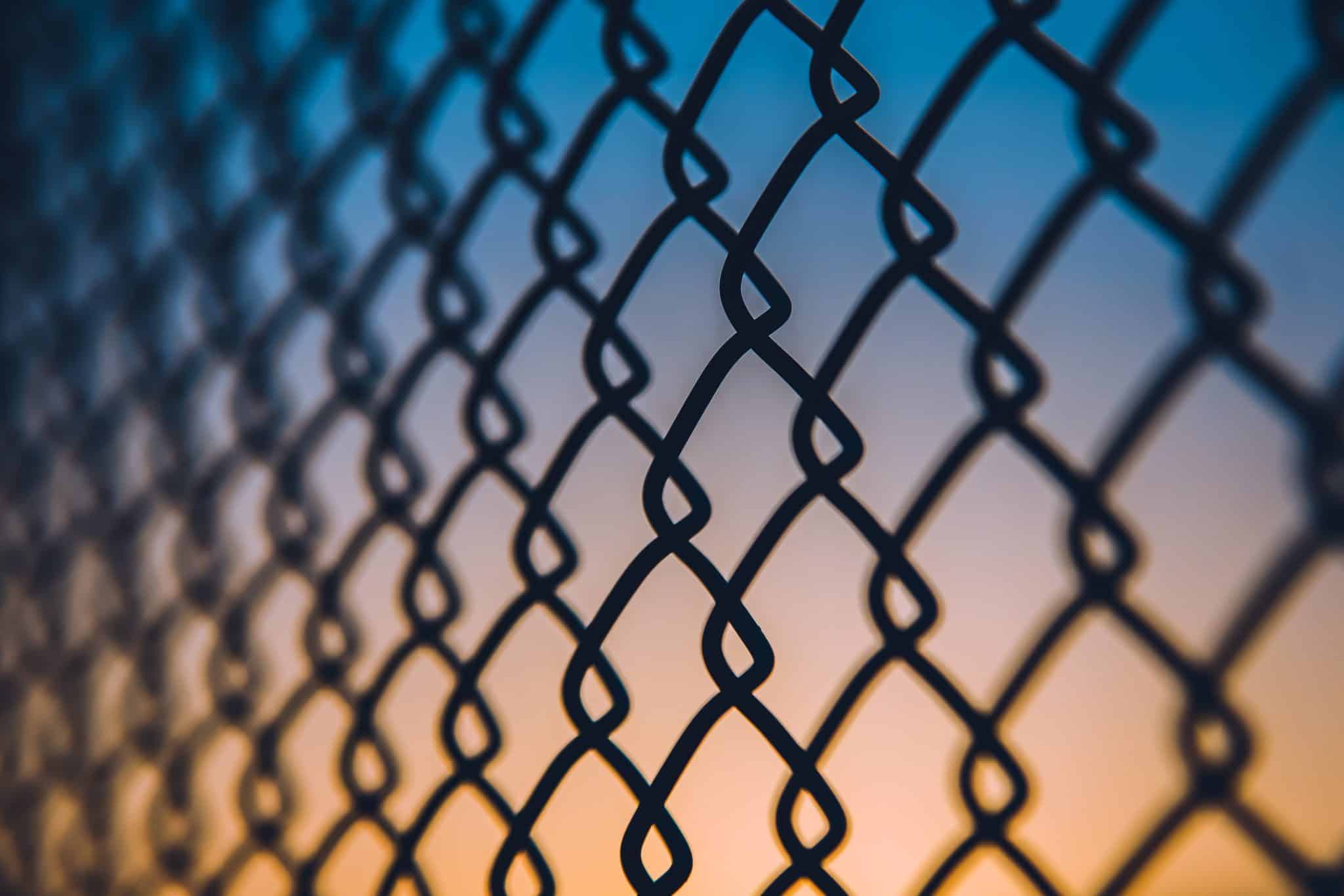
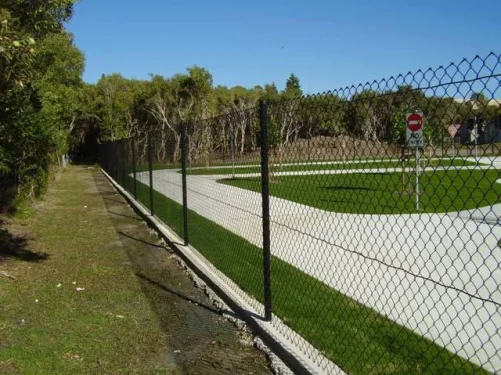
What is a black chain wire fence used for? |
| A black chain wire fence (also known as black chain wire fencing, black chain link fence, black chain link fencing, black chain mesh fence or black chain mesh fencing) is commonly used for boundaries, industrial sites, sports areas and black security chain wire fence applications where a clean look and strong performance are required. |
Is black chain wire fencing better than galvanised chain wire? |
| Both are reliable. Black chain wire fencing is often a PVC coated chain wire fence (also called vinyl coated chain wire fence) that adds an extra protective coating and a modern appearance. Black galvanised chain wire fence combines galvanising with a dark finish, while standard galvanised chain wire focuses on corrosion resistance and long service life. |
What is PVC coated chain wire fencing? |
| PVC coated chain wire fencing is chain wire that has a protective plastic coating over the wire. It is commonly supplied as black PVC chain wire fencing and is popular where appearance, extra coating protection and durability are important. |
How long does a black chain wire fence last? |
| The lifespan depends on exposure, specification and installation quality. A black chain mesh fence with a quality coating (such as vinyl coated chain wire fence or PVC coated chain wire fence) can provide long-term performance, especially when matched to the environment and properly tensioned and fixed. |
Is black chain wire fencing suitable for security fencing? |
| Yes. Black security chain wire fence systems are widely used for commercial and industrial sites. Security can be increased by using heavier wire, smaller mesh openings, greater height, and compatible security toppings depending on the risk level. |
Does black chain wire fencing rust? |
| Rust resistance depends on the base wire and coating. Black chain wire fencing supplied as black galvanised chain wire fence or as a PVC coated chain wire fence is designed to improve corrosion protection. Choosing the right specification for coastal, industrial or high-moisture environments is important. |
What is the difference between black chain wire fence and black mesh fence? |
| A black chain wire fence is a woven mesh (also called black chain link fencing or black chain mesh fencing). A black mesh fence may refer to welded mesh panels. Both are used for boundaries and security, but welded panels are more rigid while chain wire is flexible and tensioned during installation. |
Is black chain link fencing good for commercial sites? |
| Yes. Commercial black chain wire fencing is commonly used for warehouses, yards, car parks and facilities that want strong boundary control with a neat finish. It is also a popular option for industrial black chain wire fencing where durability and visibility are needed. |
What heights are available for black chain wire fencing? |
| Black chain wire fencing is available in a range of standard heights and can be specified to suit residential boundaries, commercial perimeters and high-security requirements. A supplier can recommend suitable heights, wire gauges and mesh apertures for your application. |
Is black chain wire fence more expensive than galvanised? |
| Often yes. A black chain wire fence is commonly supplied as PVC coated chain wire fence or vinyl coated chain wire fence, which adds coating and processing costs. Pricing varies by height, wire gauge, mesh size and project scope. |
Can black chain wire fencing be used for residential fencing? |
| Yes. Residential black chain wire fence and black wire fencing are popular where you want a less reflective finish that blends into landscaping. It is also used around pools, gardens and property boundaries depending on local requirements. |
Where can I buy black chain wire fencing in Sydney? |
| You can buy black chain wire fencing Sydney from a specialist black chain wire fence supplier who can advise on coating type, wire gauge, height and installation needs. Many suppliers can also support black chain wire fence installation through installers or recommended contractors. |
Please feel free to contact our friendly supprt team for more questions and enquiries.
1300 35 56 66
02 8964 2036